
When it comes to premium chocolate, few names carry as much weight as Switzerland. Across continents and cultures, chocolate lovers associate Swiss chocolate with unmatched smoothness, rich flavor, and superior quality. This reputation did not appear overnight. It is the result of generations of innovation, precision, and dedication to craftsmanship. That is why the phrase best swiss chocolate continues to dominate global searches and consumer trust.
In this detailed guide, we explore what makes Swiss chocolate exceptional, how it differs from other chocolates, and how to recognize authentic Swiss quality. Whether you are a casual chocolate lover or a serious connoisseur, understanding Swiss chocolate will change the way you experience every bite.
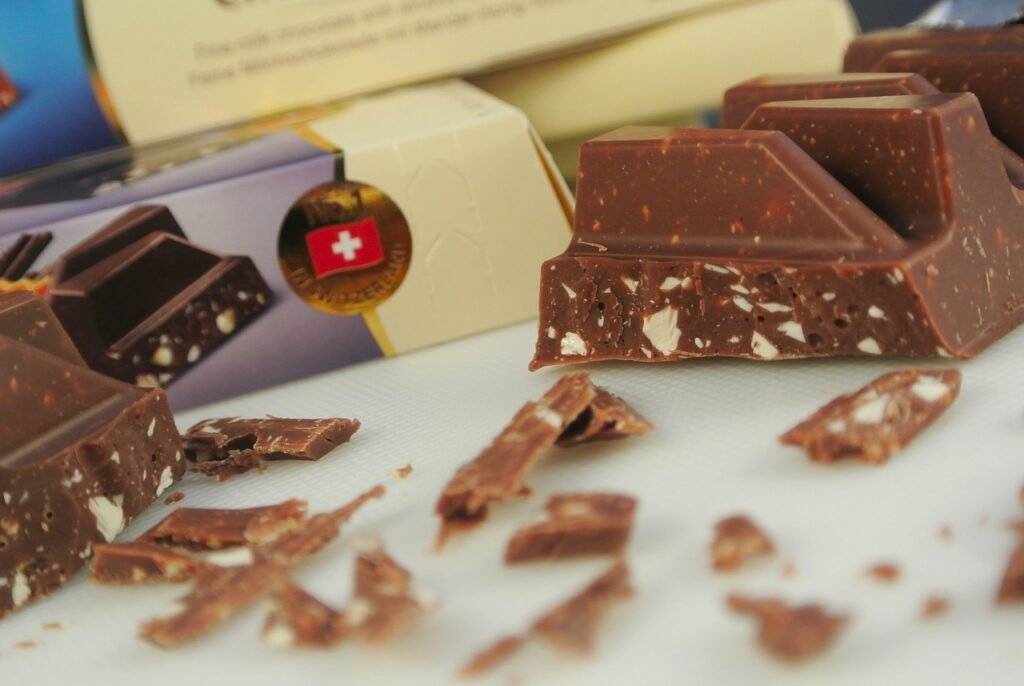
The History Behind Swiss Chocolate Excellence
Switzerland’s rise as a chocolate powerhouse began in the early 1800s. While cocoa reached Europe earlier, it was Swiss chocolatiers who transformed chocolate into a refined, widely loved product.
Several groundbreaking developments originated in Switzerland:
- The invention of smooth solid chocolate
- The creation of milk chocolate in 1875
- The conching process that improves texture and flavor
These innovations laid the groundwork for what we now recognize as the best. Swiss chocolate makers focused not just on taste, but on consistency, texture, and balance—qualities that remain central today.
Why Swiss Chocolate Tastes So Different
Many people can instantly recognize Swiss chocolate, even in a blind tasting. This distinctiveness comes from a combination of factors working together.
High-Quality Milk
Milk plays a crucial role in Swiss chocolate. Swiss dairy is known for its purity and high fat content, thanks to alpine grazing conditions. This results in milk chocolate that is creamier and smoother than most alternatives.
Carefully Selected Cocoa Beans
Although cocoa is not grown in Switzerland, Swiss producers source beans from the finest regions in the world. Strict quality control ensures that only cocoa with consistent flavor and aroma is used, contributing to the reputation.
Precision Production
Swiss chocolate making is highly controlled. Temperature, grinding time, and mixing are carefully monitored. This precision eliminates bitterness and graininess, creating chocolate that melts evenly on the tongue.
Milk Chocolate: Switzerland’s Signature Achievement
Milk chocolate is Switzerland’s most famous contribution to the chocolate world. Unlike overly sweet mass-market versions, Milk chocolate is known for balance.
Characteristics of premium chocolate include:
- Smooth, velvety texture
- Mild sweetness that does not overpower cocoa
- Clean finish with no waxy aftertaste
This is a major reason why many people consider Swiss milk varieties to represent the best experience.
Dark Swiss Chocolate for Refined Palates
While milk chocolates dominates popular perception, Dark chocolate has earned strong respect among enthusiasts. It focuses on complexity rather than harsh bitterness.
Typical features include:
- Cocoa content ranging from 60% to 85%
- Subtle notes of fruit, nuts, or caramel
- Smooth mouthfeel despite high cocoa levels
How Swiss Chocolate Compares to Other Countries
Many regions produce excellent chocolate, but Switzerland remains the benchmark.
Swiss vs Belgian
Belgian chocolate is rich and bold, often emphasizing strong cocoa flavors. Swiss chocolate prioritizes smoothness and balance, making it more approachable for everyday enjoyment.
Swiss vs American
American chocolate often contains more sugar and stabilizers. Swiss uses fewer additives and higher-quality cocoa butter, which is why it tastes cleaner and more natural.
What Defines the Best Swiss Chocolate
Not every chocolate made in Switzerland qualifies as the best. True quality is defined by several key elements.
Ingredient Quality
Authentic chocolate relies on simple, premium ingredients:
- Cocoa mass
- Cocoa butter
- Milk solids
- Minimal emulsifiers
Avoid products with vegetable oils or artificial flavoring if you want the best.
Texture and Snap
Well-made chocolate has a glossy finish and produces a clean snap when broken. This indicates proper tempering and craftsmanship.
Balanced Flavor
No single element should dominate. Sweetness, cocoa intensity, and creaminess must work together in harmony.
Popular Types of Swiss Chocolate
These are available in a wide range of styles, each appealing to different preferences.
Milk Chocolate
Creamy, smooth, and universally loved.
Dark Chocolate
Complex, rich, and less sweet.
White Chocolate
Made with cocoa butter, offering a delicate and buttery flavor.
Filled Chocolates
Pralines, truffles, and nut-filled chocolates crafted with precision.
Each category contains examples that could qualify as the best, depending on personal taste.
How to Identify Authentic Swiss Chocolate
With many brands using Swiss imagery, knowing how to identify genuine quality is important.
Look for:
- “Made in Switzerland” labeling
- Cocoa butter listed as the primary fat
- Short ingredient lists
- Smooth, glossy appearance
Authentic Swiss chocolate should never taste greasy or overly sugary.
Swiss Chocolate and Ethical Practices
Modern producers of these chocolates increasingly focus on sustainability. Ethical cocoa sourcing, fair trade practices, and environmentally friendly packaging are becoming standard.
This commitment ensures that Swiss chocolate remains not only luxurious, but responsible.
Why IT Is Considered a Luxury Gift
These are often chosen for special occasions because it represents care and refinement. It is a popular choice for:
- Festive celebrations
- Corporate gifting
- Premium hampers
- Special personal moments
Is Chocolate Healthier?
When enjoyed in moderation, especially dark varieties, Chocolates can offer benefits such as:
- Antioxidants from cocoa
- Better fat quality from cocoa butter
- Lower sugar compared to mass-produced chocolates
While still a treat, these are generally made with cleaner ingredients.
How to Store and Enjoy
To fully enjoy these, proper storage is essential.
Best practices include:
- Store between 15–18°C
- Keep away from strong odors
- Avoid refrigeration unless necessary
- Allow chocolate to melt slowly on the tongue
These steps help preserve the texture and flavor of the chocolate.
Why Switzerland Remains the Global Chocolate Leader
Switzerland consistently ranks among the highest chocolate-consuming countries per capita. This reflects domestic trust in quality. Swiss consumers expect excellence, which pushes manufacturers to maintain extremely high standards.
This culture of quality is why this chocolate continues to outperform competitors worldwide.
Is Swiss Chocolate Worth the Price?
Premium chocolate may cost more, but the value lies in:
- Superior ingredients
- Ethical sourcing
- Skilled craftsmanship
- Consistent quality
When you buy the chocolate, you are investing in a refined experience rather than just a sweet snack.
The Future of Swiss Chocolate
Swiss chocolatiers continue to innovate while respecting tradition. Reduced sugar options, organic ingredients, and sustainable sourcing are shaping the future of the industry.
Despite global competition, the it remains a symbol of excellence that adapts without compromising quality.
Final Thoughts
These has earned its global reputation through innovation, precision, and an unwavering commitment to quality. From creamy milk chocolate to refined dark varieties, it delivers an experience that few others can match.
If you are looking that balances taste, texture, and craftsmanship, swiss chocolate remains the gold standard. It is not just chocolate—it is a legacy perfected over generations.
Visit Home Page